Column · @trafficclaimsguide
Car Accident Impact Types: Rear, Side, and Head-On Injuries Compared
Car accidents come in many forms, but three impact directions, rear-end, side (T-bone), and head-on, produce distinct patterns of vehicle damage and injury. Understanding which injuries are common to each type helps victims recognize symptoms early and communicate more clearly with medical providers and legal professionals. Each collision direction places different forces on the body, leading to predictable injury profiles.
Rear-End Collisions: Whiplash and Spinal Injuries
Rear-end impacts are among the most frequent accident types, often occurring at intersections or in stop-and-go traffic. The sudden forward acceleration of the struck vehicle forces the occupant's head and neck into hyperextension, then hyperflexion. This motion strains muscles, ligaments, and spinal discs, causing whiplash, a catch-all term for neck sprain or strain. Symptoms can take hours or days to appear, which is why many victims do not seek immediate medical evaluation.
Beyond whiplash, rear-end collisions can cause herniated discs in the cervical spine, nerve root irritation, and chronic pain that radiates into the shoulders and upper back. The severity depends on factors like speed, vehicle size, and whether the occupant was looking straight ahead or turned at the moment of impact. Seat belt design also influences injury patterns, properly worn lap and shoulder belts reduce torso movement but do not eliminate neck motion.
Medical documentation of these injuries often requires imaging studies such as X-rays or MRIs to confirm disc damage. For many victims, seeking guidance after a rear-end collision includes understanding how to preserve evidence of injury onset, treatment records, and missed work days. Insurance adjusters may downplay soft-tissue injuries, so keeping a symptom journal and following through with all recommended specialists is essential.
Side-Impact (T-Bone) Collisions: The Danger of Limited Protection
T-bone accidents occur when the front of one vehicle strikes the side of another, most commonly at intersections where one driver fails to yield right of way or runs a traffic signal. The side of a vehicle offers less crumple zone and fewer structural barriers than the front or rear, so occupants on the struck side absorb more of the collision force directly. This makes side impacts particularly dangerous for head, torso, and limb injuries.

Common injuries in side-impact crashes include broken ribs, collapsed lungs, pelvic fractures, and traumatic brain injuries from the head striking the side window or door frame. The impact direction can also cause the occupant to slide across the seat and strike the opposite door, producing bilateral injuries. Side airbags and reinforced door beams help, but they cannot eliminate the risk entirely.
Because T-bone accidents often involve complex issues of fault, who had the green light, who ran the stop sign, victims may need to reconstruct the crash using black box data from the vehicles, traffic camera footage, and witness statements. An attorney who handles these cases can assess comparative fault rules under California law and help victims pursue compensation for both economic losses and pain and suffering.
Head Injuries in Side Impacts
The lateral motion of a T-bone crash can cause the brain to slide inside the skull, leading to concussions, contusions, or diffuse axonal injury. Even a moderate side impact can produce symptoms like dizziness, blurred vision, and memory lapses. Victims should never dismiss a headache or confusion after a side collision, these can signal a developing subdural hematoma.
Head-On Collisions: High Energy, High Risk
Head-on crashes involve the greatest combined speed and force, often resulting in catastrophic injuries. The sudden deceleration throws occupants forward, into the steering wheel, dashboard, or windshield, even with seat belts. Lower-extremity fractures are common, femurs, tibias, and ankles break as the feet and legs brace against the pedals and floor. Chest injuries from the steering wheel or airbag deployment can fracture the sternum and ribs, sometimes causing internal bleeding.

Facial fractures, spinal cord injuries, and traumatic brain injuries are also frequent in head-on impacts. The energy transfer is so rapid that internal organs can be injured even without broken bones, the liver, spleen, and kidneys may tear from their attachments. Ejection, though less common with modern restraints, remains a risk if the occupant is unbelted or if the seat belt fails under extreme load.
Given the severity of head-on collisions, victims often face long hospital stays, multiple surgeries, and permanent disability. The legal process must account for future medical costs, lost earning capacity, and the need for home modifications. An experienced accident attorney can work with medical experts to build a lifetime care plan that supports the victim's recovery.
When to Consult an Attorney for Different Impact Types
The timing and focus of legal help vary by collision type. For rear-end accidents, liability is usually clear, but disputes over injury severity are common. Victims benefit from guidance after a rear-end collision that covers how to document soft-tissue damage and how to counter an insurer's argument that the impact was "minor" and could not have caused lasting harm.
Side-impact cases often hinge on proving who caused the intersection danger. An attorney can subpoena traffic signal logs, black box data, and cell phone records to show that the other driver ran the light or failed to yield. Comparative fault rules in California mean that even a partially at-fault victim can recover compensation, though the amount is reduced by their percentage of fault.
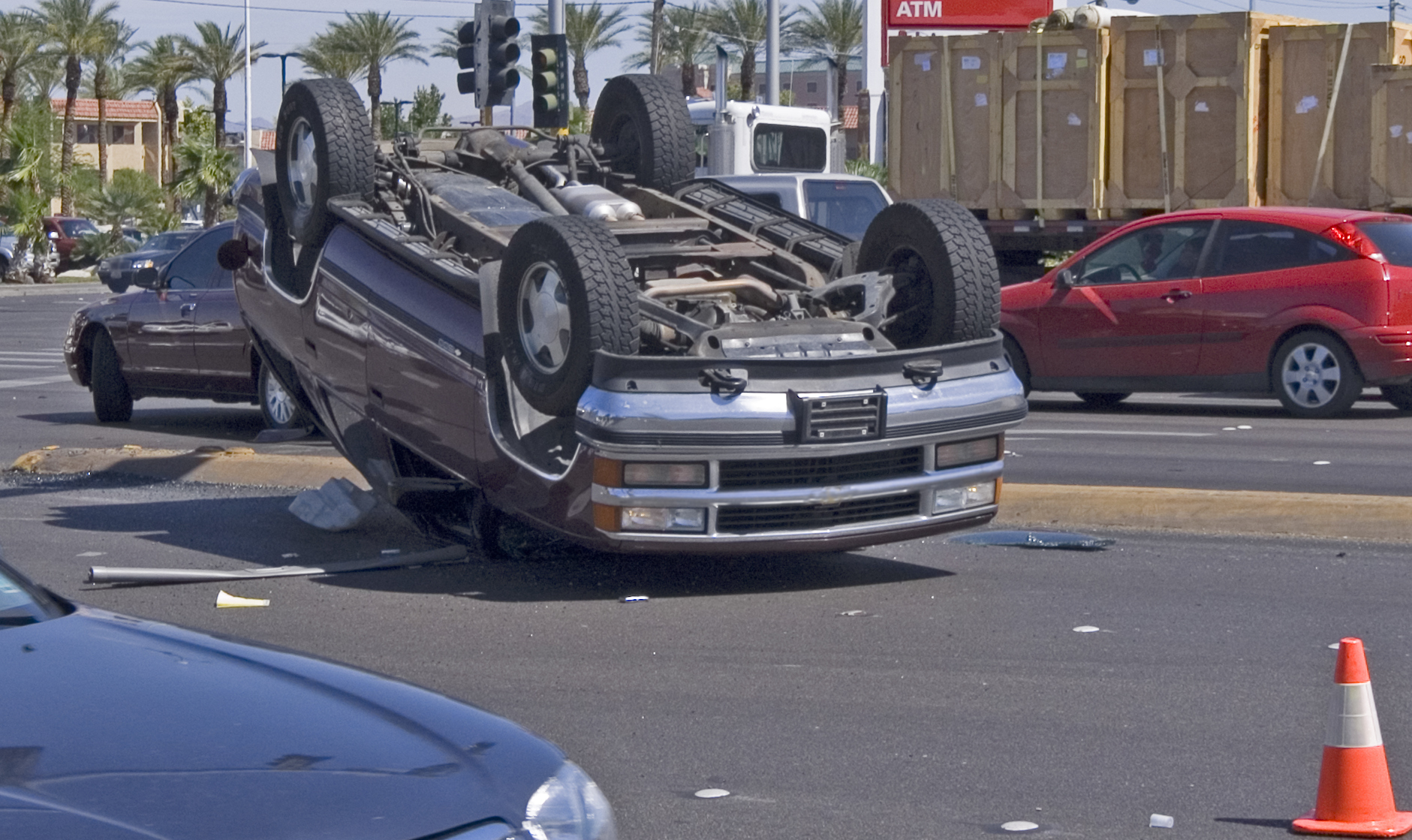
Head-on cases require immediate legal involvement because the stakes are so high. Insurance limits, hospital liens, and subrogation claims all need careful handling. An attorney can ensure that the victim's medical records are preserved and that the case is valued correctly from the start.
Key Considerations for Any Impact Type
- Seek medical attention right away, even if you feel fine, adrenaline masks symptoms.
- Preserve vehicle damage photos and any data from the event data recorder.
- Keep a journal of pain levels, treatment appointments, and how injuries affect daily life.
- Do not give a recorded statement to the other driver's insurance without legal advice.
- Understand your state's statute of limitations, in California, you generally have two years from the accident date to file a personal injury lawsuit.
Each accident direction leaves its own signature on the body and on the legal case. Recognizing the common injuries linked to rear, side, and head-on impacts helps victims make informed decisions about their health and their rights. Whether the crash happens at a busy intersection or on a quiet street, the physical and financial consequences can last for years. Working with a knowledgeable attorney who understands impact dynamics and California fault laws gives victims the best chance of securing fair compensation.